
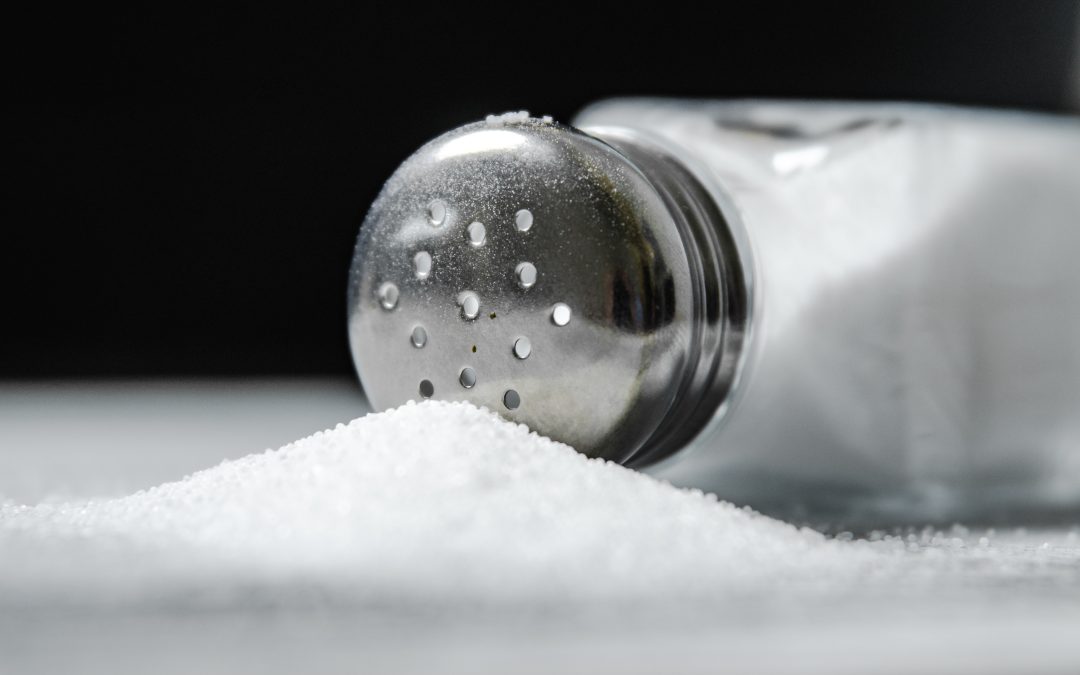
Eat too much salt?
Arvind M. Dhople, Ph.D.
Professor Emeritus, Florida Tech
You overdid it on the salt at dinner, and now you’re feeling awful. Here is how to bounce back and not make the same mistake again.
A few weeks ago, a friend of mine tried a new restaurant where he ate hot chicken and a side of fries. The meal was not exactly “Cooking Light-approved”, but hey, we all have our occasional indulgences.
At night he thought it was odd that his heart was racing, his body felt swollen, and he couldn’t fall asleep a few hours after dinner. After some late-night Googling, he found out that his body was probably reacting to the excess salt from his meal. It turned out in three pieces of hot chicken, there’s over 3,000 mg. of salt – well over the health target of 2,300 mg per day – and he wasn’t even counting the fries he had.
95 percent of the sodium you eat is absorbed in your body – even if you don’t frequently overdo it on the salt, it still has the potential for negative impact. A study from the CDC showed that 90 percent of Americans eat too much salt, and the average adult as an average daily intake of 3,592 mg.
Overtime, your kidneys have trouble keeping up with excess sodium, so your body holds onto water to dilute it (hence why you might feel bloated and puffy). This process increases the fluid around the cells and the volume of blood in your body. Increased blood volume means that your heart has to work extra hard – over time, this could lead to high blood pressure, heart attack, and stroke.
While we definitely don’t encourage you to regularly have a salt feast, eating too much sodium happens. Here are the best ways to bounce back.
___ Drinking lots of water helps flush sodium from your kidneys; staying hydrated will also help you feel less bloated.
___ Exercise will help you lose a little sodium through your sweat. Again, just make sure you’re staying hydrated.
___ Potassium helps counteract sodium. Foods like bananas, white beans, leafy greens, and potatoes are all great sources of potassium. Eating high-potassium foods is good because they are usually whole foods that are also naturally lower in sodium. However, those with kidney disease should monitor potassium intake and talk to their doctor.
___ Certain people run a higher risk of being sensitive to salt, including those over the age of 51, African Americans, and those with cardiovascular disease or high blood pressure. If you are concerned about your salt intake or think you may be sensitive to salt, it’s definitely worth calling your doctor.